knowledge
-
Because You Need to Know
Because You Need to Know – Apryl Lytle
Being brave in the quest of knowledge leadership with Apryl Lytle.
-
Artificial intelligence

Tacit knowledge is no longer the preserve of humans
The rise of AI-based KM offerings raises some fundamental questions that could overturn many of the core tenets underpinning KM.
-
Brain power

Debunking the Dunning-Kruger effect – the least skilled people know how much they don’t know, but everyone thinks they are better than average
There are three reasons Dunning and Kruger’s analysis is misleading.
-
Artificial intelligence
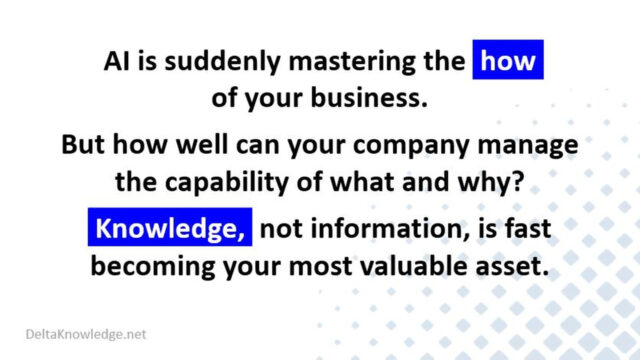
Will AI make managing knowledge more or less important?
With AI now able to make decisions for us, we don't need knowledge any more, right? Or people for that…
-
Introduction to knowledge graphs
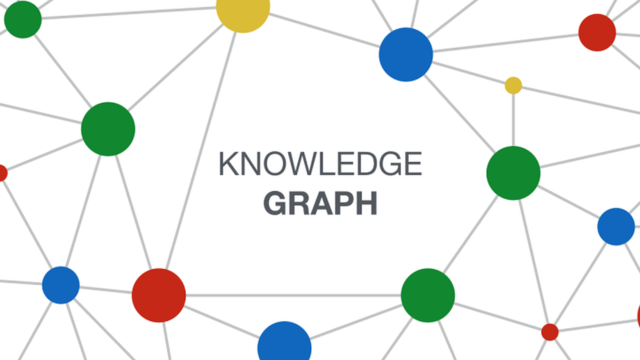
Introduction to knowledge graphs (part 3): Data graphs
Graph data models and the languages used to query and validate them.
-
Introduction to knowledge graphs
Introduction to knowledge graphs (part 2): History of knowledge graphs
Understanding historical context and background is important in order to understand the possible avenues of the future.
-
ABCs of KM

The importance of someone who understands organizational knowledge
It’s increasingly valuable to have people within an organization that know just what knowledge resides in their colleagues heads.
-
Brain power

Do you overclaim your knowledge?
When we know something about a topic, it’s incredibly difficult to admit ignorance, even if that means pretending we know…
-
ABCs of KM

Understanding the nuanced power of data and electricity
To help a full understanding of the route that managed data must navigate, its course is juxtaposed with a known…
-
Brain power

Searching Google prompts us to over-inflate our knowledge
When we’re constantly connected to knowledge, the boundaries between internal and external knowledge begin to blur and fade.