Systems & complexity
-
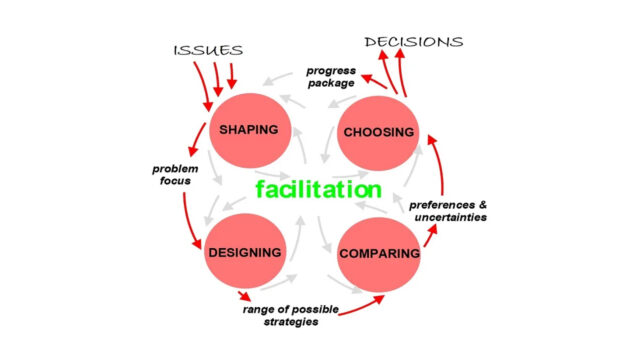
The Strategic Choice Approach in shaping public policies
How to work together to move rapidly towards commitments to action or to changes of policy on difficult issues of…
-
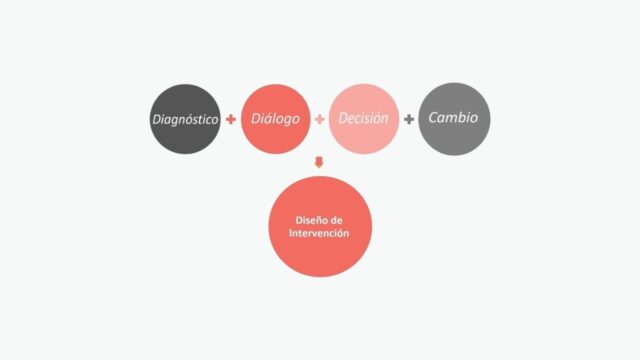
Para problemas complejos, intervenciones sistémicas: el Proceso de Diseño de Intervención
El Proceso de Diseño de Intervención (PDI) es un enfoque no lineal que integra diferentes modelos, métodos, técnicas y herramientas…
-
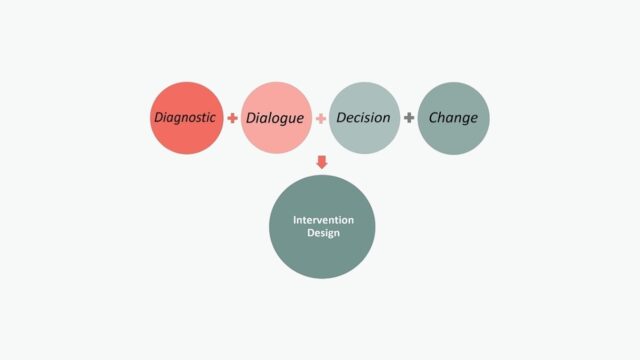
Systemic interventions for complex problems: The Intervention Design Process
The Intervention Design Process (IDP) is a non-linear approach that integrates different models, methods, techniques, and tools in a set…
-

How measuring impact gets in the way of real world change
Although the idea of measuring impact is seductive, almost all useful social change is achieved as part of a complex…
-
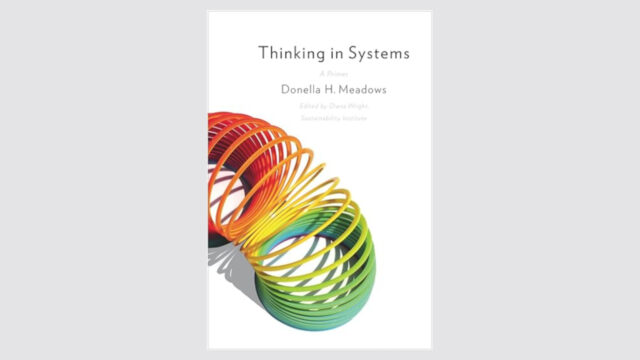
Key systems thinking lessons from Donella Meadows
The book “Thinking In Systems: A Primer” by Donella (Dana) Meadows (2008) offers a useful entry point into systems thinking…
-

Case studies in complexity (part 7): Problem-solving communication skills and lateral thinking in the Helidon Hills
Two very effective approaches for overcoming resistance and denial when engaging stakeholders.
-

KM in project-based & temporary organisations: Part 8 – An agile approach to program management
Insights into the application of agile methods to program management (as opposed to project management).
-
Case studies in complexity (part 6): Tacit knowledge transfer and deliberative conversations in the Helidon Hills
The Helidon Hills project was praised for its tacit knowledge engagement and deliberative decisions in the face of complexity.
-

Government needs to build bridges to solve wicked problems
Ten crucial behaviors that governments need to adopt to solve problems in a complex world.
-

From stock markets to brain scans, new research harmonises hundreds of scientific methods to understand complex systems
Properly orchestrated, the full ensemble of scientific methods demonstrated improved performance over any single method on its own.