complex
-
Systems & complexity
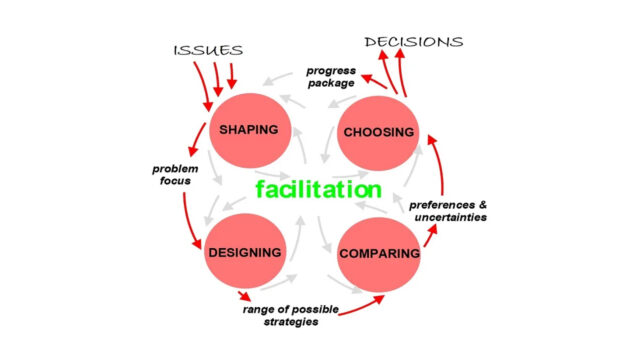
The Strategic Choice Approach in shaping public policies
How to work together to move rapidly towards commitments to action or to changes of policy on difficult issues of…
-
Systems & complexity
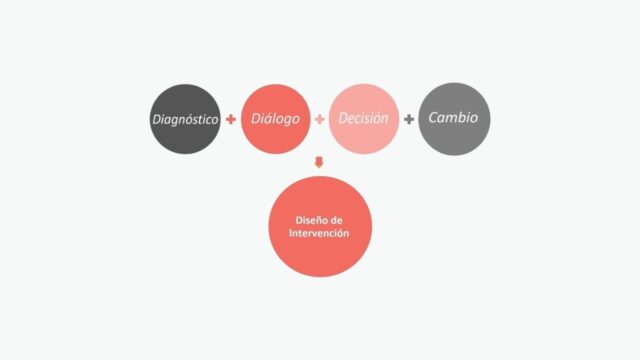
Para problemas complejos, intervenciones sistémicas: el Proceso de Diseño de Intervención
El Proceso de Diseño de Intervención (PDI) es un enfoque no lineal que integra diferentes modelos, métodos, técnicas y herramientas…
-
Systems & complexity
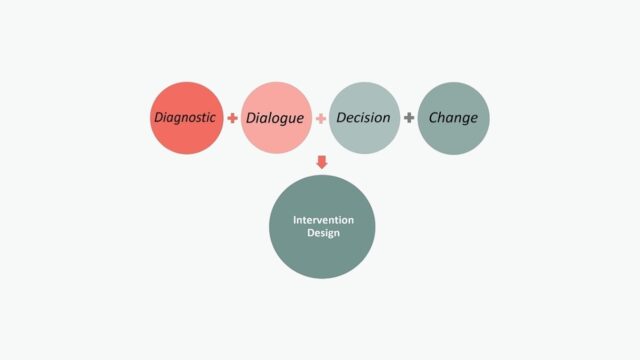
Systemic interventions for complex problems: The Intervention Design Process
The Intervention Design Process (IDP) is a non-linear approach that integrates different models, methods, techniques, and tools in a set…
-
Systems & complexity

How measuring impact gets in the way of real world change
Although the idea of measuring impact is seductive, almost all useful social change is achieved as part of a complex…
-
Case studies in complexity

Case studies in complexity (part 6): Tacit knowledge transfer and deliberative conversations in the Helidon Hills
The Helidon Hills project was praised for its tacit knowledge engagement and deliberative decisions in the face of complexity.
-
Systems & complexity

Government needs to build bridges to solve wicked problems
Ten crucial behaviors that governments need to adopt to solve problems in a complex world.
-
Systems & complexity
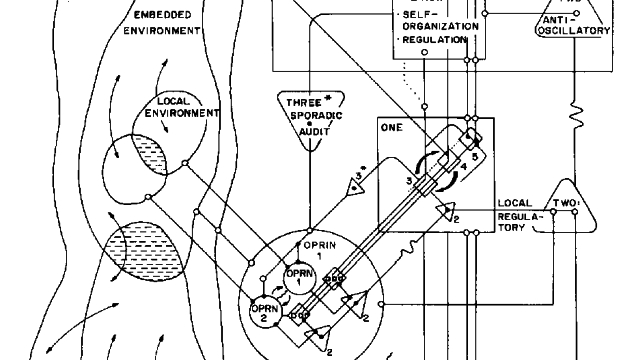
Viable System Model: A theory for designing more responsive organisations
How complex organisations can be more capable of responding to a changing and unpredictable environment.
-
Systems & complexity
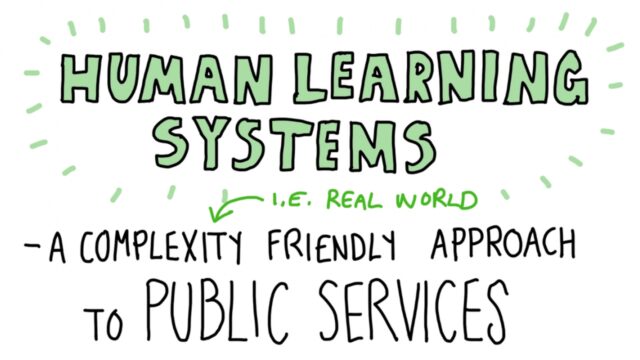
Managing complexity with human learning systems
How can those in public service think more effectively about improving people’s lives, when each person’s life is a unique…
-
Brain power

Combining human and artificial intelligence for organizational decision-making under uncertainty
Identifying a division of tasks between humans and AI for each step in the decision-making process.
-
Systems & complexity

Why complex problems need abductive reasoning
How does the way we approach complex problems differ from how we approach problems that are familiar or obvious?