science communication
-
Brain power

How overconfidence harms decision making
People tend to be more overconfident than knowledgeable, especially when they have some knowledge but not a lot.
-
Quality of science & its communication

Fact-bombing by experts doesn’t change hearts and minds. But good science communication can
Science communication has to start with values – and most of the time it does.
-
Brain power

Even experts struggle to tell which social media posts are evidence-based. So, what do we do?
We need a better approach for communicating research on social media.
-
In the know

In the know: narrm ngarrgu library | language diversity in knowledge production | Knowable Magazine
In the know is a regular roundup of knowledge management (KM) items of interest.
-
In the know
In the know: Chief Scientist plans free research access | 360info launched | national standard for sensors
In the know is a regular roundup of knowledge management (KM) items of interest.
-
Quality of science & its communication

Researchers more likely to downplay than exaggerate findings
Researchers have developed a tool for both scientists and journalists to use to help them calculate the uncertainty in research…
-
Quality of science & its communication

How scientific communication can spread misinformation
Attention is a scarce resource, so there is an inherent incentive for scientists, universities, and journalists to hype things more…
-
Community

Unis want research shared widely. So why don’t they properly back academics to do it?
Universities can do better at supporting academics to share their research knowledge with the public, industry, and government.
-
ABCs of KM

3 reasons to study science communication beyond the West
All cultures have communicated their knowledge in diverse and marvellous ways throughout time. Failing to see the significance of this…
-
Brain power
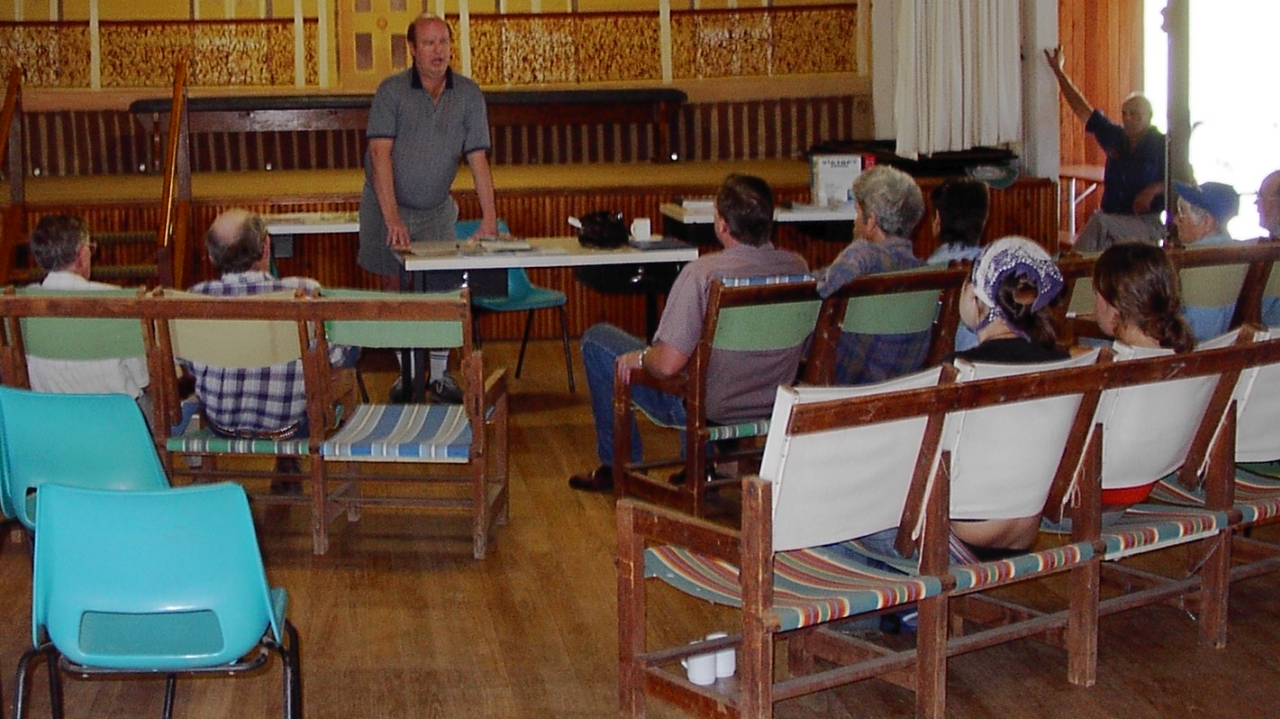
Science communication is more important than ever. Here are 3 lessons from around the world on what makes it work
Science communication succeeds when it takes community knowledge seriously, works with other belief systems, and expects researchers to contribute to…